HISTORY
From boom to closure
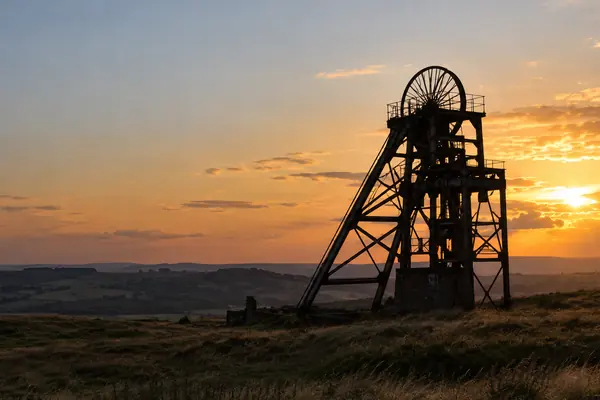
Coal employment grew from 109,000 workers in 1830 to nearly 1.1 million in 1913, then fell to 32,000 by early 1992. Kellingley, the last deep mine, closed in December 2015.
Walk the timeline doodlemines
WHAT THE RECORDS SAY
Coal built modern Britain, and left a lot behind.
Walk the timeline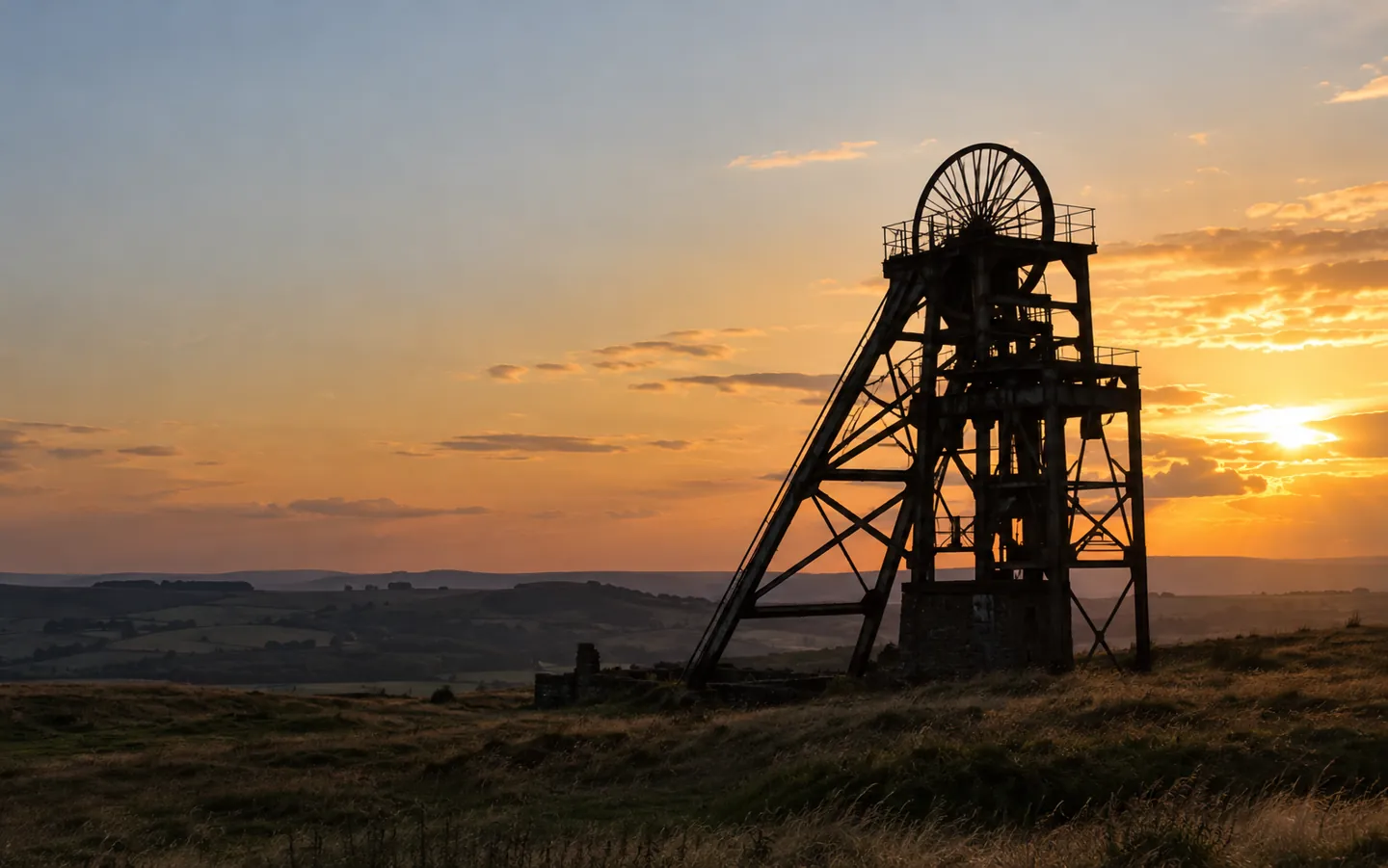
2015last deep mine closes
Nearly 1.1 million people worked in British coal in 1913. The last deep mine, Kellingley in Yorkshire, closed in December 2015. Underneath the former coalfields lie old shafts, tunnels and warm mine water that still matter today.
At a glance
172,000+
Recorded shafts and adits being managed
Building on top of or close to mine entries should be avoided wherever possible, even after they've been capped, says today's Mining Remediation Authority.
MINE ENTRIES · COAL AUTHORITY 2015
26,000 km²
Area of underground coal workings
Its archive holds more than 120,000 coal abandonment plans, some from the 17th century, which can be viewed free at its centre in Mansfield.
WORKINGS · COAL AUTHORITY 2015
TWO NUMBERS WORTH KNOWING
The legacy the public body for old mines
looks after on behalf of the country.
The Mining Remediation Authority (formerly the Coal Authority) also owns most of the coal in Great Britain on behalf of the country and licenses coal mining.
A QUICK TIMELINE
Pick a year to see how many people worked in British coal. The bar shows the size of the workforce.
Workforce figures from a historian's account of British coal (The Conversation, 2015). Earlier years are estimates.
THE SHORT ANSWER
Coal was once Britain's biggest industry
by workforce.
HISTORY
Coal employment grew from 109,000 workers in 1830 to nearly 1.1 million in 1913, then fell to 32,000 by early 1992. Kellingley, the last deep mine, closed in December 2015.
Walk the timelineUNDERFOOT
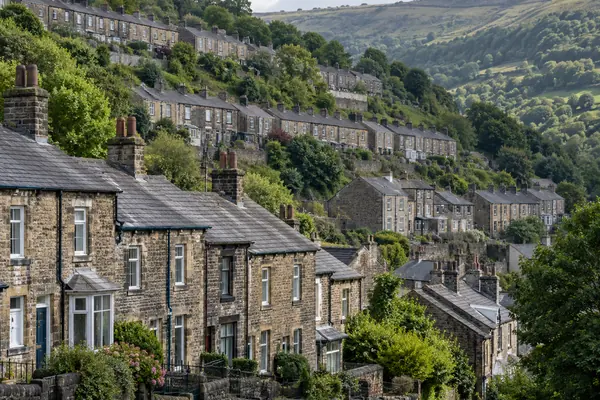
In 2015 the national coal authority was managing over 172,000 mine entries and 26,000 km² of underground workings across Britain.
Check a homeTHE FUTURE
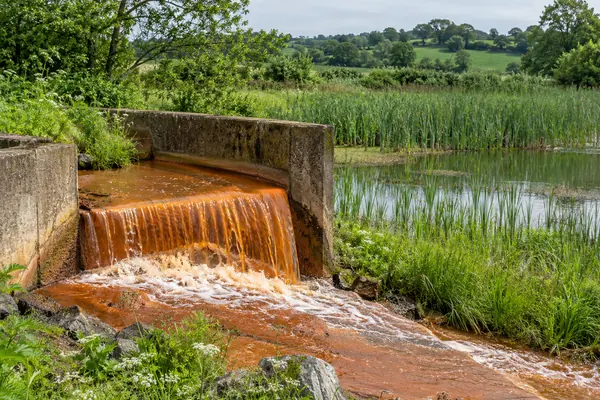
Water in flooded mines is warmed naturally and doesn't vary with the seasons, so it can heat homes in coalfield areas.
Mine water heat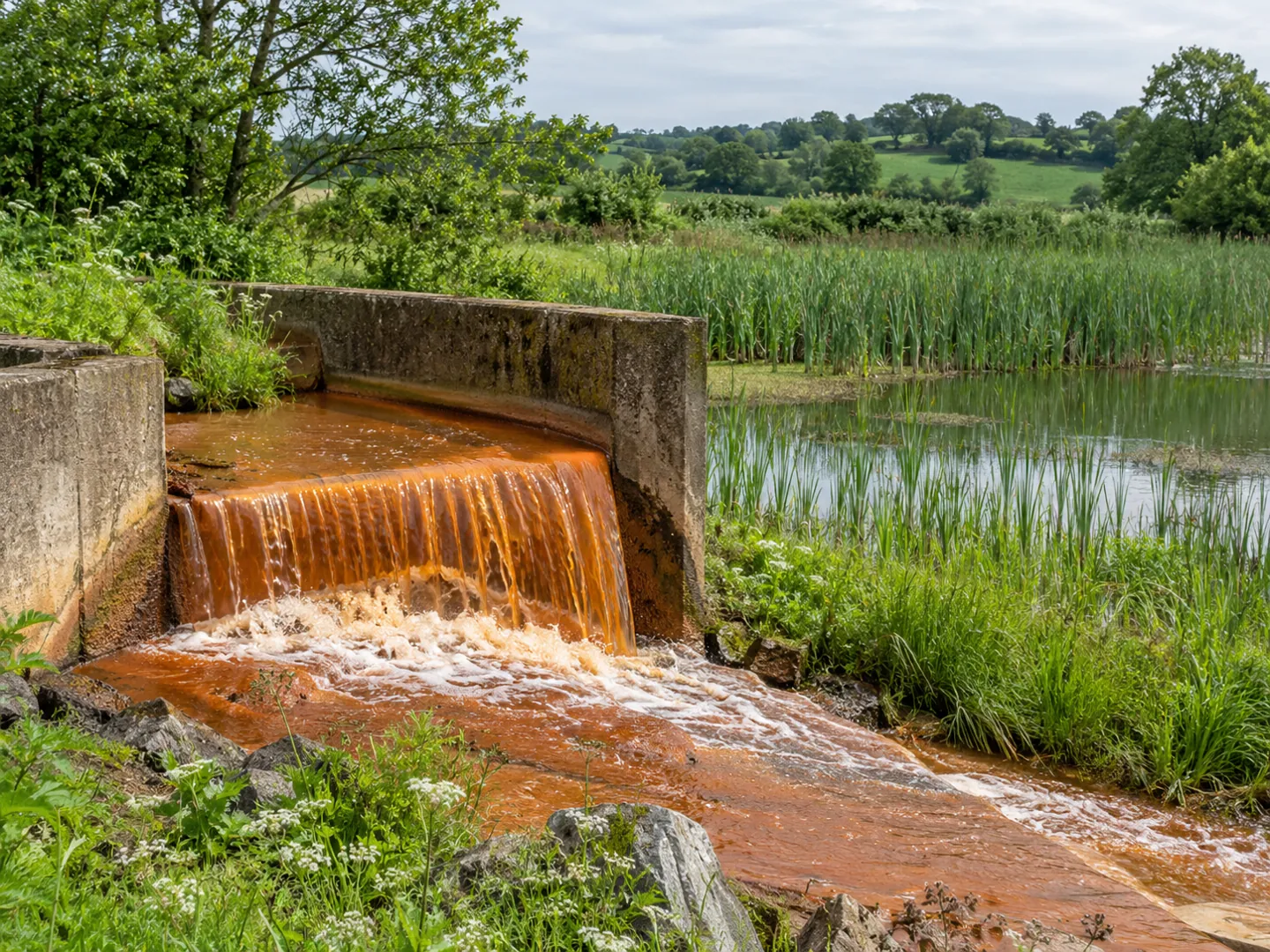
FOUR THINGS TO KNOW ON THE COALFIELD
GOV.UK guidance for homeowners and buyers in former mining areas.
An online search tells you instantly if a property is in a coal mining area and whether you need a mining report.
Reports cover mine entries within 20 metres, mine gas and other hazards. Prices start at £27 plus VAT; most arrive in 24 to 48 hours.
Collapses, open shafts, sinkholes or gas and water from old mines can be reported to a 24-hour hazard line.
Cracked plaster and sticking doors can be early signs. An engineer inspects, and a decision usually comes within 90 days.
FROM COAL TO CLEAN HEAT
Heating accounts for 40% of UK energy use. Water in old mines is warmed naturally, and a mine water heat network at Seaham, County Durham, went live in September 2026, serving the first of 750 new homes.
In a 2026 trial in Glasgow, water heated to up to 32°C was injected into old mine workings over 25 days, storing 98 MWh of heat. Early findings showed the heat stayed in the seam with no ground movement detected.
Questions
Kellingley colliery in Yorkshire, the country's last deep mine, closed in December 2015.
Nearly 1.1 million in 1913, at the industry's height. There were 235,000 in 1979 and 32,000 by early 1992.
Search the property's postcode with the Mining Remediation Authority's free online service. It tells you if a mining report is needed.
You can claim from the Mining Remediation Authority for damage not covered by a licensed operator. If they agree, the damage is fixed or compensated.
Yes. Naturally warm mine water can supply low-carbon heat; schemes run in places such as Gateshead and Seaham.
Sources
ABOUT THIS NAME
doodlemines.com is part of the DoodleSale portfolio. It isn't in an auction right now, but you can ask about leasing it.